
With Communication styles in business at the forefront, this topic delves into the nuances that shape interactions and relationships within various workplace environments. Understanding these styles is crucial as they not only influence individual and team dynamics but can significantly affect overall productivity and innovation.
From the subtle differences in how information is conveyed to the unique ways in which feedback is received, the landscape of communication in business is diverse. By exploring various communication styles, we can better adapt our approaches to different audiences, enhancing collaboration and fostering a culture where ideas can thrive.
Communication Styles in Business
Effective communication is a cornerstone of successful business operations. Different communication styles can significantly impact how messages are delivered and received in the workplace. Understanding these styles is essential for building strong teams and enhancing overall productivity.
Defining Communication Styles
In a business environment, communication styles can be broadly categorized into several types, including:
- Assertive Communication: This style is characterized by clear and direct expression of thoughts and feelings, while respecting others. It fosters open dialogue and encourages collaborative problem-solving.
- Aggressive Communication: An aggressive communicator often disregards others’ feelings and opinions, leading to conflict and resentment within teams.
- Passive Communication: Individuals with this style may avoid expressing their needs or opinions, which can lead to misunderstandings and frustration.
- Passive-Aggressive Communication: This style involves indirect resistance and avoidance of direct confrontation, often resulting in confusion and tension.
Impact on Team Dynamics
Communication styles greatly influence team dynamics. Assertive communication can enhance teamwork by fostering an environment where team members feel valued and heard. Conversely, aggressive or passive styles can create barriers to effective collaboration.
Adapting Communication Styles
Adapting one’s communication style to fit different audiences is crucial. Best practices include:
- Identifying the preferred communication style of the audience.
- Adjusting tone and vocabulary to suit the situation.
- Listening actively to understand the other person’s perspective.
- Providing feedback in a manner that resonates with the audience’s communication style.
Business Innovation
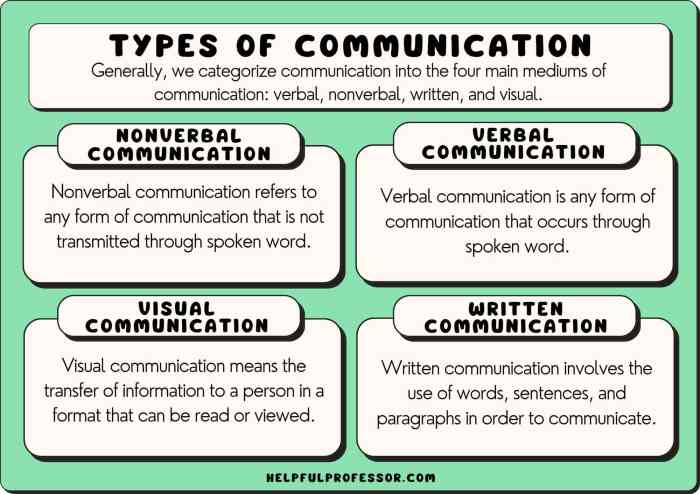
Communication styles play a vital role in fostering innovation within organizations. An open and collaborative communication culture encourages employees to share ideas freely, leading to creative solutions.
Influence on Innovation
The way teams communicate can significantly impact their ability to innovate. For instance, companies that embrace an assertive communication style often see higher levels of creativity and engagement among employees, as they feel empowered to contribute.
Examples of Innovative Companies
Some companies renowned for their effective communication practices include:
- Google: Google encourages open communication through regular brainstorming sessions and allows employees to propose new projects.
- Spotify: The company fosters a culture of innovation by promoting transparent communication and collaboration across teams.
- Apple: Apple’s emphasis on cross-functional teamwork and clear communication has led to numerous innovative products.
Communication in Fostering Innovation
Effective communication is essential for nurturing a culture of innovation. Leaders must create an environment where feedback is encouraged and ideas are shared openly. This approach enhances problem-solving and drives business growth.
International Business
In the realm of international business, understanding diverse communication styles is vital for successful interactions. Different cultures have unique ways of communicating that can affect negotiations, partnerships, and overall business outcomes.
Importance of Understanding Diverse Communication Styles
A deep understanding of various communication styles aids in de-escalating misunderstandings and builds stronger relationships. For example, while some cultures may value directness, others may prioritize subtlety and context.
Comparison Across Cultures
Communication styles can vary significantly across cultures, impacting global business interactions. For instance:
- High-context Cultures: Countries like Japan and China often rely on non-verbal cues and context to communicate.
- Low-context Cultures: In contrast, nations like the USA and Germany favor clear, direct communication, where the message is explicitly stated.
Strategies for Effective Cross-Cultural Communication
To ensure effective communication in international teams, consider the following strategies:
- Invest in cultural training for team members.
- Encourage open discussions about communication preferences.
- Utilize technology such as translation tools to bridge language gaps.
- Be patient and respectful of different communication styles.
Business Interviews
Communication techniques play a critical role in the interview process, influencing the impressions candidates and interviewers form about each other.
Effective Communication Techniques
To excel in job interviews, candidates should employ effective communication techniques:
- Practice active listening to understand the interviewer’s questions fully.
- Use concise and clear language to articulate responses.
- Demonstrate enthusiasm and confidence through body language.
Interpreting Communication Styles of Candidates
Interviewers can benefit from being aware of candidates’ communication styles. Observing their tone, body language, and choice of words can provide insights into their suitability for the role.
Common Pitfalls in Communication During Interviews
Some common pitfalls to avoid include:
- Failing to clarify questions, leading to miscommunication.
- Being overly aggressive or overly passive, which can skew the interview dynamics.
- Neglecting non-verbal cues, which are essential for understanding the candidate’s demeanor.
Job Search Techniques
In today’s competitive job market, effective communication styles are integral to personal branding and networking.
Role in Personal Branding
Communication styles significantly affect how candidates present themselves. A consistent and authentic brand message can resonate with potential employers and lead to better job opportunities.
Networking Strategies
Networking effectively requires understanding and adapting to various communication styles. Consider these approaches:
- Be observant of others’ preferences and adjust your communication accordingly.
- Engage in active listening to build rapport and establish connections.
- Share your story confidently while being mindful of the audience’s communication style.
Tailoring Resumes and Cover Letters
When crafting resumes and cover letters, it’s beneficial to tailor the content based on the preferred communication style of the company. This includes language choice, tone, and overall presentation to align with the organization’s culture.
Last Point
In conclusion, recognizing and adapting to different communication styles in business is essential for achieving success in team dynamics, innovation, and overall workplace effectiveness. By embracing these styles, businesses can cultivate stronger relationships, enhance productivity, and promote a culture of open dialogue that benefits everyone involved.
FAQ Overview
What are the main types of communication styles in business?
The main types include assertive, passive, aggressive, and passive-aggressive styles, each influencing interactions differently.
How can understanding communication styles improve team dynamics?
By recognizing and adapting to each member’s style, teams can enhance collaboration, reduce misunderstandings, and foster a supportive environment.
What role does communication play in fostering innovation?
Effective communication encourages the free exchange of ideas, leading to a more innovative and creative workplace culture.
How can businesses adapt communication styles for international teams?
Businesses can educate their teams about cultural differences and develop strategies for clear, respectful communication that accommodates diverse styles.
What are some common pitfalls to avoid in communication during interviews?
Common pitfalls include failing to listen actively, misinterpreting nonverbal cues, and not adapting communication styles to the candidate’s approach.